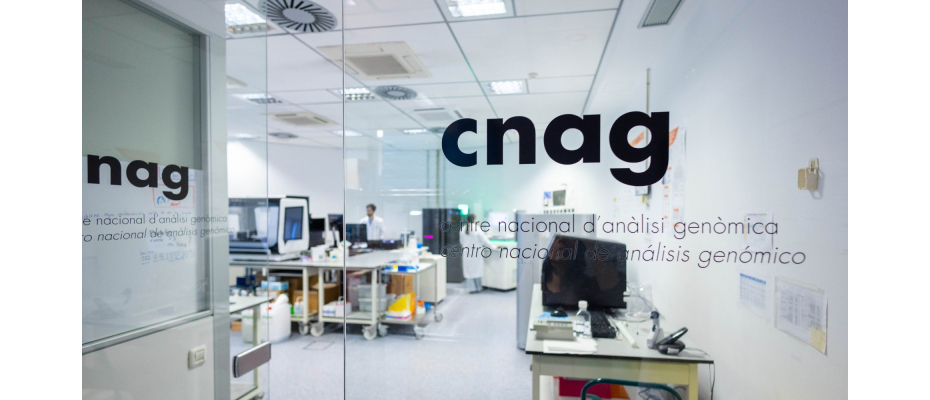
• Since its foundation in 2010, the institution has helped strengthen genomic research in Spain, continuously upgrading its next-generation sequencing platform and high-performance data processing centre.
• During 2025, CNAG supported more than 1,100 projects from hospitals and research centres both in Spain and internationally, helping to improve the prevention, diagnosis and treatment of conditions such as cancer, rare diseases and immune-mediated conditions.
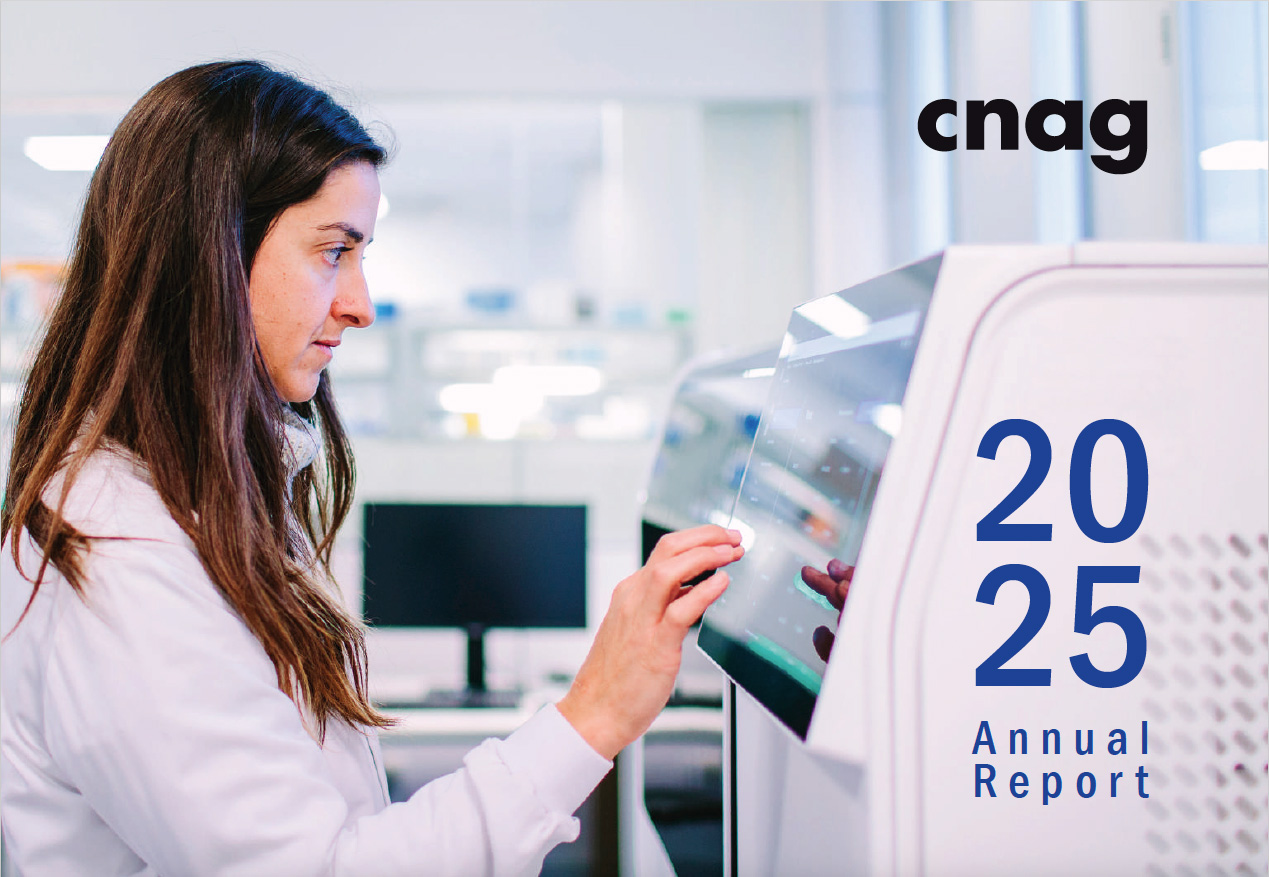
June 4, 2026. Following the publication of the Human Genome Project, 25 years ago, the most advanced countries in biomedicine embarked on a genomics race to find answers to diseases within our DNA.
Spain joined the International Cancer Genome Consortium in 2010, with the creation of the country’s first public institution equipped with cutting-edge technologies. This was the origin of the Centro Nacional de Análisis Genómico (CNAG), supported by the State, the Carlos III Health Institute and the Government of Catalonia. Its first major milestone was placing Spain on the global map of human genetics. One year after its creation, CNAG published in Nature the complete sequencing of chronic lymphocytic leukaemia and, shortly afterwards, identified four key genes involved in the development of the disease.
“With the first human genome, we understood that international collaboration was essential to achieve the major milestones of biomedicine. Today, it remains just as critical to advancing the diagnosis, prognosis and treatment of genetically driven diseases. This has been CNAG’s core purpose from the very beginning, contributing to bring Spain to the forefront of genomic research. Today, we participate in more than 30 leading initiatives, and our commitment is to continue doing so over the next 15 years,” says Dr Ivo Gut, Director of CNAG.
Since 2010, the centre has worked to promote genomic research in Spain, with the main mission of supporting patients with cancer, rare diseases, immune-related conditions and other disorders involving the genome. Over the past 15 years, the centre has significantly strengthened its structure, growing from a dozen specialists to a multidisciplinary team of over 120 professionals in genomics, bioinformatics, biology and sequencing. This growth enabled CNAG to support more than 1,100 research projects from hospitals and scientific centres both within and outside the country, resulting in the analysis and interpretation of more than 16,000 DNA and RNA samples in 2025, compared to 300 at its beginnings.
Growth was driven by continuous upgrading of its sequencing platform, allowing the centre over just 15 years to increase its capacity from 600 Gb to more than 20,000 Gb per day, equivalent to generating more than 200 complete genomes in just 24 hours. Alongside sequencing capacity, the centre’s data processing infrastructure has also expanded, enabling it to handle the interpretation of millions of genetic codes derived from sample analysis. In 2025, CNAG upgraded its storage capacity to 33 petabytes, supported by more than 10,000 computing cores.
As a public research centre, CNAG promotes genomic research across areas such as biomedical genomics, biodiversity, transcriptomics, spatial, functional, structural, biostatistics, single-cell and evolutionary genomics. In 2025, its eight research groups participated in
67 competitive projects and published 118 scientific papers, 72% in leading journals such as
Nature,
Science, and
Cell. Among its latest achievements are the launch of a pioneering technique known as
STAMP, which enables the analysis of millions of individual cells without sequencing, and the diagnosis of more than
500 patients with rare diseases through the European Solve-RD project, using the
RD-Connect GPAP genetic analysis platform, developed and hosted at CNAG.