Centre Nacional d'Anàlisi Genòmica
Centro Nacional de Análisis Genómico
Centro Nacional de Análisis Genómico
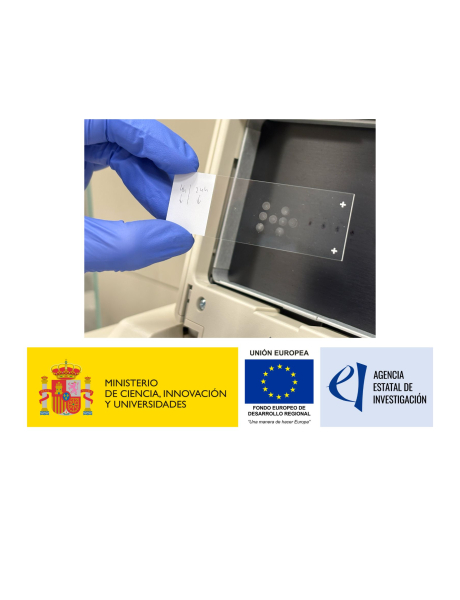
STAMP-IT develops a novel precision oncology approach that transforms circulating immune cells into living biomarkers to predict patient responses to immune checkpoint inhibitor (ICI) therapies. Current biomarkers, such as tumor mutational burden and PD-L1 expression, have limited predictive accuracy, leading to suboptimal treatment outcomes and high costs. While ICI therapies, such as anti-PD-1 and anti-CTLA-4, have revolutionized cancer treatment, most cancers remain resistant and only 20% of patients experience durable benefits.
STAMP-IT focuses on the cells directly targeted by ICI therapies, leveraging high-resolution immune profiling using STAMP technology and state-of-the-art machine learning to capture systemic information encoded within the circulating immunome.
By analyzing immune cell dynamics across 25 million cells from 1,000 patients before and during ICI therapy, the project aims to identify novel, clinically actionable immune cell biomarkers that predict treatment success. Preliminary studies in inflammatory diseases demonstrate the feasibility of using systemic immune information to detect disease-specific signals. With the potential to enhance treatment prediction accuracy, optimize therapeutic strategies, reduce adverse effects, and lower healthcare costs, STAMP-IT seeks to revolutionize precision oncology and advance personalized medicine.
The project is funded by the I+D+I programme under grant PID2024-161652OB-I00, financed by MICIU/AEI/10.13039/501100011033 and by FEDER (EU).