- A new study, published in Human Mutation and led by Dr Pedro Rodríguez from CNAG, reports the first genetically confirmed cases of the rare disorder CAMRQ1 on the African continent.
- Genetic analysis revealed a novel variant in the VLDLR gene, contributing to a better understanding of this condition and providing further insights that could help improve future diagnosis and treatment.
November 3, 2026. The term ‘rare diseases’ refers to a group of disorders that affect between 3.5% and 5.9% of the population worldwide, representing an estimated 300 million people globally and encompassing more than 6,000 conditions.
Cerebellar ataxia, mental retardation, and disequilibrium syndrome gives its name to the CAMRQ-related disorders, a group of rare diseases included within this category. Patients with these conditions can experience delayed ambulation, intellectual disability, speech delay and cerebellar hypoplasia, and, in some cases, quadrupedal gait. A new study, published in Human Mutation and led by Dr Pedro Rodríguez from the Human Genetics Team at CNAG, in collaboration with the
United Arab Emirates University (UAE) and the
University Cheikh Anta Diop (Senegal), provides further insight into these conditions, reporting the first genetically confirmed case of CAMRQ1 on the African continent, one of the subtypes within this group of disorders.
“With every rare disease we analyse genetically, we have the opportunity to uncover molecular answers that can ultimately help families reach a diagnosis and improve their quality of life. In the case of CAMRQ1, identifying the VLDLR variant gives us new insight into the disease and its underlying mechanisms. This knowledge could pave the way for future therapeutic approaches aimed at restoring VLDLR function,” says Dr Pedro Rodríguez, corresponding author of the study and neurologist and Clinical Genomics Specialist at CNAG.
Until now, cases of this very rare disorder had been described in the Middle East, Europe and East Asia.
The lack of genetically confirmed cases in Africa, together with the limited availability of population databases and the presence of additional features associated with
CAMRQ disorders, which are also common in many other neurodevelopmental disorders,
makes reaching a molecular diagnosis particularly challenging. In this complex context, the study coordinated by CNAG in collaboration with the
College of Medicine and Health Sciences in the United Arab Emirates has been an important effort not only
to improve our understanding of the biology of the disease, but also to expand the genetic and geographical information available to date and, ultimately, help more families identify the condition affecting them.
The four cases carried a novel homozygous variant in the VLDLR gene
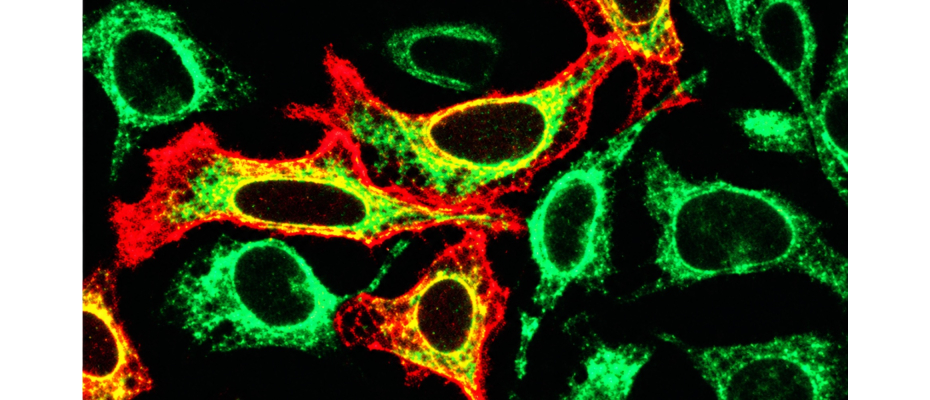
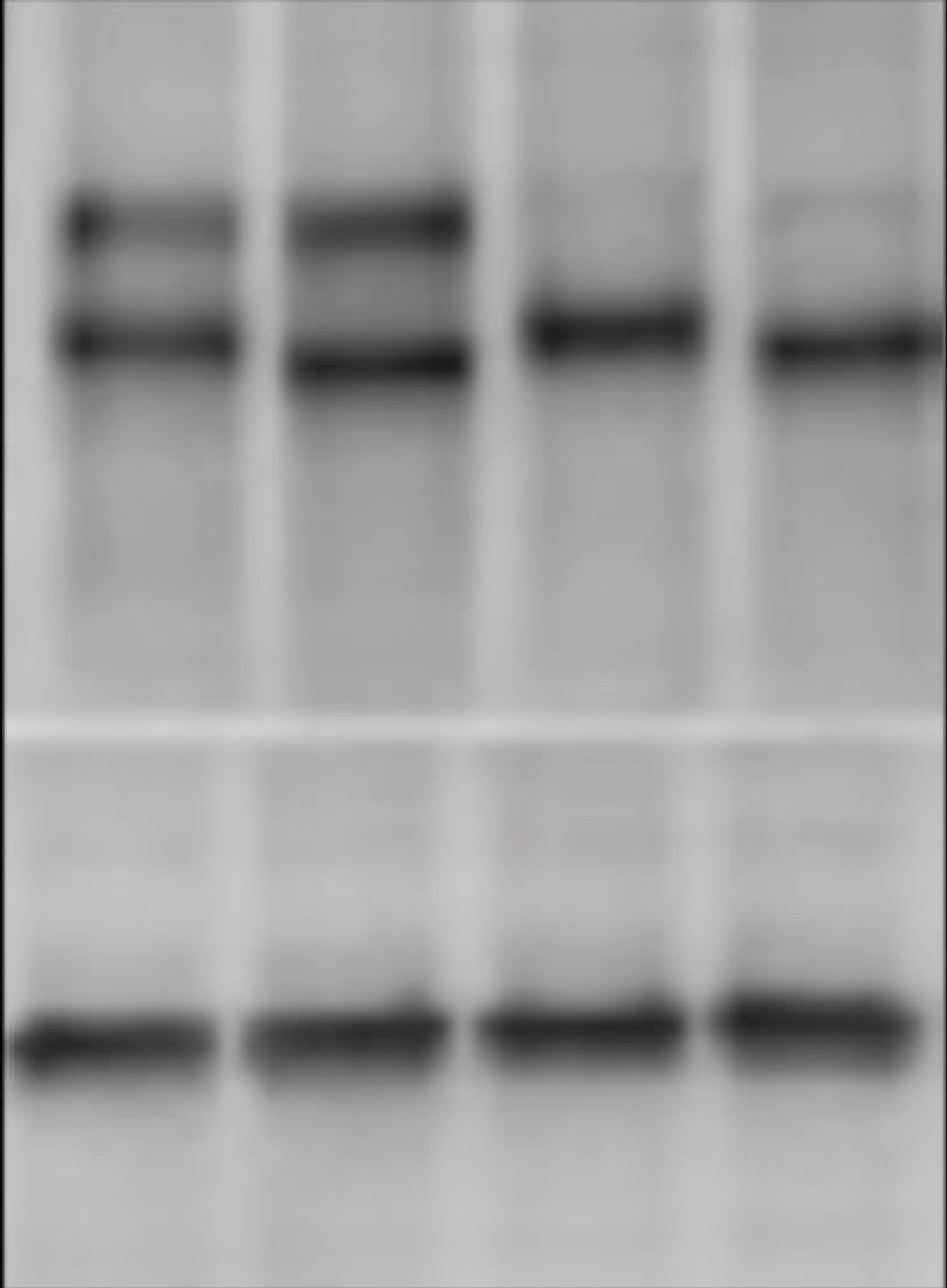
The study focused on four siblings from the same family who were affected by CAMRQ1, with varying levels of clinical severity. Using CNAG’s state-of-the-art genomic technologies, researchers performed whole-exome sequencing and identified a novel homozygous missense variant in the VLDLR gene, meaning that the affected individuals carried the same variant in both copies of the gene, while both parents were heterozygous carriers. Further analyses showed that the resulting p.(P565Q) VLDLR protein is retained in the endoplasmic reticulum, the cell compartment where proteins are processed, preventing it from reaching the plasma membrane, where it needs to function. This provides functional evidence supporting the pathogenic effect of the variant and suggests that it disrupts VLDLR-mediated signalling, including reelin signalling, which plays an important role in guiding neurons during brain development.
Taken together, the findings provide new insights into the molecular mechanisms underlying CAMRQ-related disorders. They also lay the groundwork for improved diagnosis in Africa and contribute to clinical research into rare neurogenetic disorders in underrepresented populations. The study forms part of CNAG’s research into rare diseases, one of its strategic areas, aligning with its mission to improve people’s health and quality of life.
REFERENCE ARTICLE
Jawabri, Aseel A., et al. ‘Identification of a Novel VLDLR Variant in the First Report of CAMRQ1 From Africa: Expanding the Spectrum of Cerebellar Ataxia Syndromes’. Human Mutation, edited by Priya Gusain, vol. 2026, no. 1, Jan. 2026, p. 4661238. DOI.org (Crossref),
https://doi.org/10.1155/humu/4661238.
IMAGES
1 - Fluorescence microscopy image of HeLa cells expressing wild-type VLDLR (red) and stained for calnexin (green), indicating colocalisation between the two signals.
2- HEK293T cells exogenously expressing either HA-tagged VLDLR or the p.(P565Q) mutant expression construct were subjected to an endoglycosidase H (EndoH) assay to analyze their glycosylation profiles. The cells were harvested, and cell lysates were divided into equal aliquots of 30 μg each. One aliquot was treated with EndoH, labeled as (+), whereas the other aliquot was left untreated to serve as a control, labeled as (−).