
Centre Nacional d'Anàlisi Genòmica
Centro Nacional de Análisis Genómico
Centro Nacional de Análisis Genómico
January 26, 2026. This exceptional finding may serve as a precedent for developing gene therapy strategies for the treatment of this type of disorder.
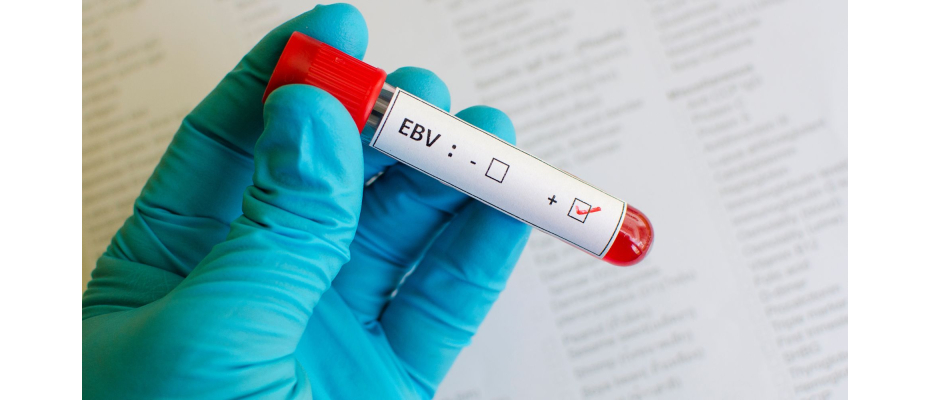
A study led by the Translational Immunology Group at the Vall d’Hebron Research Institute (VHIR), in collaboration with CNAG, has identified, for the first time, a case of spontaneous correction of a genetic mutation in a patient with CD137 deficiency, a rare immunodeficiency that causes vulnerability to Epstein–Barr virus (EBV) infection. The study, published in npj Genomic Medicine, was carried out also in collaboration with the Infection and Immunity in the Paediatric Patient Group at VHIR, Sant Joan de Déu Hospital, Hospital de la Santa Creu i Sant Pau and the Blood and Tissue Bank.
Inborn errors of immunity are disorders caused by genetic mutations that affect the functioning of the immune system. CD137 deficiency is one of these conditions, first described in 2019 and caused by a mutation in the TNFRSF9 gene. In these patients, CD8 T cells, a type of immune cell, are unable to mount an adequate response to Epstein–Barr virus infection. This infection is very common in the general population and usually does not lead to severe consequences, but in patients with this deficiency, it may persist for years and can even lead to certain types of lymphoma.
A few years after the transplant, and unexpectedly, the patient experienced spontaneous clinical improvement and viral control without substantial changes in treatment. When the VHIR team, together with CNAG, analysed her immune cells in the blood using innovative single-cell sequencing techniques, they discovered that two CD8 T-cell lines derived from her brother had naturally corrected the original mutation once inside the patient’s body (post-transplant).
This phenomenon is known as somatic reversion. In total, up to 20% of T cells in the blood showed this genetic reversion. “At some point after the transplant, these somatic mutations emerged and corrected the original genetic defects. This partially restored the immune response against the virus and improved the patient’s clinical condition,” explains Dr Laura Batlle Masó, postdoctoral researcher in the Translational Immunology Group at VHIR. “This phenomenon had previously been described in other inborn errors of immunity, but this is the first time it has been detected in this particular disorder and, moreover, after a transplant,” she adds.
Over the years, the number of corrected cells has decreased, although they remain detectable in the patient’s body. This decrease has coincided with an increase in viral load, making her medium-term clinical prognosis uncertain.
This discovery is highly relevant from a scientific standpoint, as it provides proof of concept for the viability of future gene therapies. “The somatic reversion observed in this patient indicates that even a small proportion of corrected cells can improve the immune response to EBV, resulting in significant clinical benefit. This finding opens the door to the development of gene therapy for this disease. Since current gene therapies do not correct all target cells, demonstrating that partial restoration of immune function can translate into meaningful clinical benefit is essential,” explains Dr Roger Colobran, head of the Translational Immunology Group at VHIR.
REFERENCE ARTICLE